
Cut and Sew Clothing Manufacturer: Your Pattern Turned Into Finished Bulk on Our Own Lines
Sale Smart Sports is a cut and sew clothing manufacturer with a pattern room, cutting floor, sewing lines, and finishing tables, all in one building. Sportswear brands, teams, and streetwear labels send us a tech pack or a sample to match. We draft the pattern, cut every panel, and sew the garment ourselves. Runs start at 30 pieces per style, and we measure each one to within ±1–1.5 cm before shipping.
Send your spec sheet or a reference garment. Within 1 business day, you receive a construction review, fabric options, and a sample quote.
Inside Our Cut and Sew Factory, Room by Room
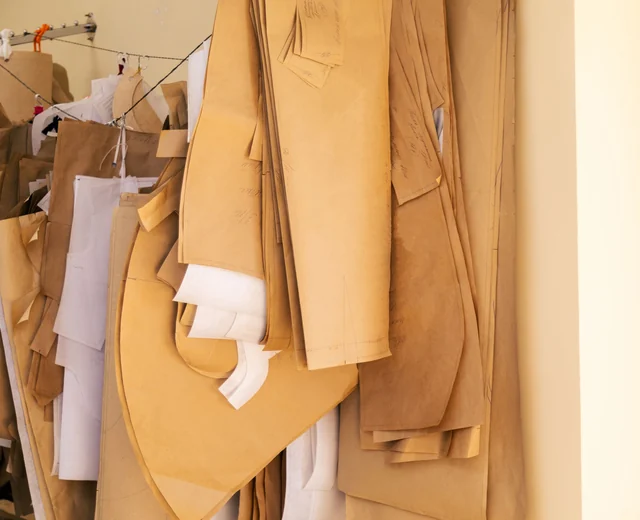
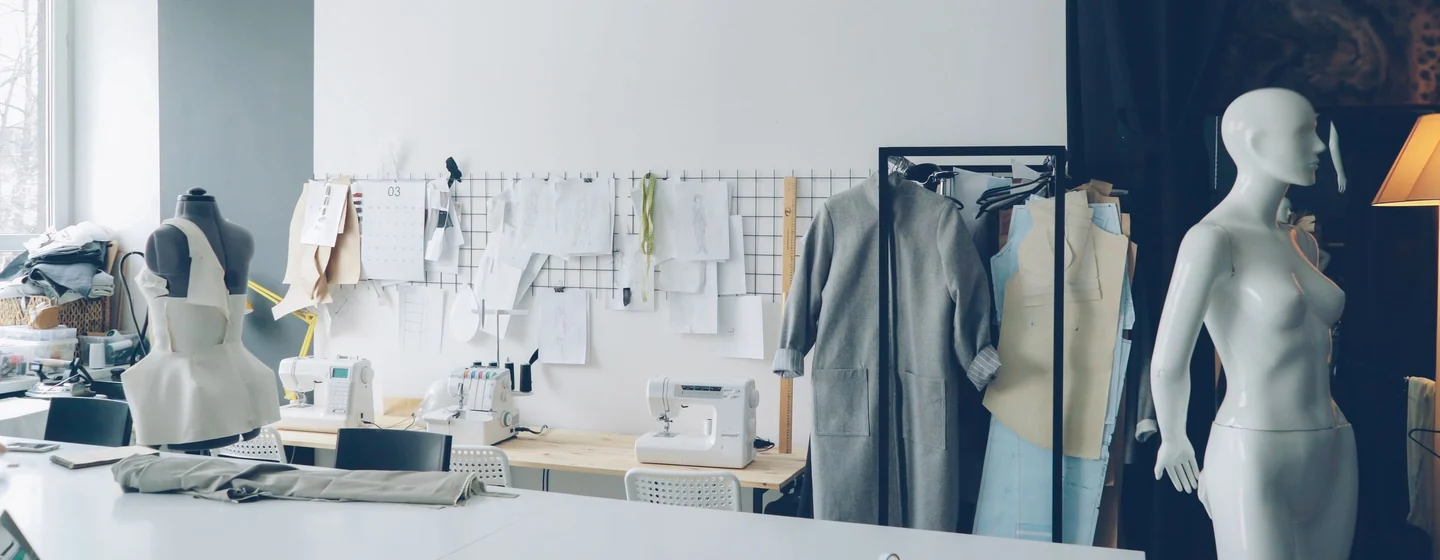
Walk through our cut and sew factory, and you’ll pass five rooms in order. The pattern room drafts and grades your pattern. Spreading and cutting tables turn fabric rolls into numbered panels. Sewing lines assemble the garment, then pressing, measuring, and packing finish it. A cut and sew clothing manufacturer that owns each room controls your quality at every step.
One building means one fabric lot, one QC team, and one contact for your order. Bundles never travel to an outside workshop and back, so you don’t lose days in transit. See how this fits into our wider range on our custom apparel manufacturer page.
Cut and Sew Manufacturing vs Printing on Blanks
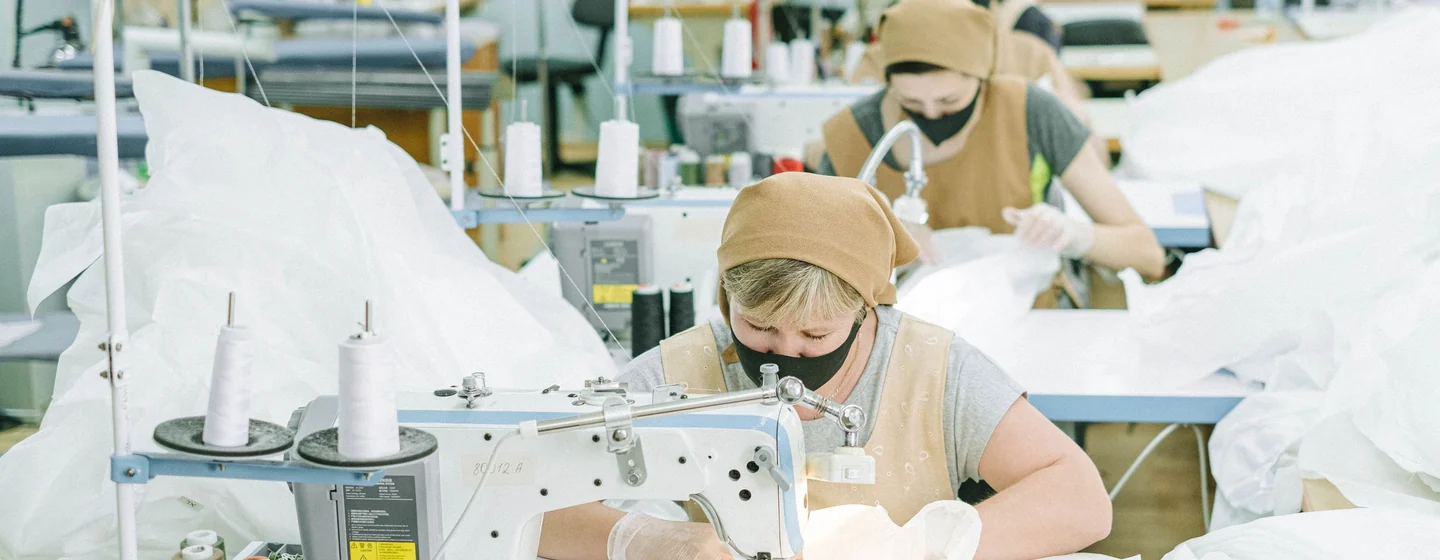
A printed blank is a finished garment you buy in bulk, then decorate with your logo. The blank maker owns the fit, fabric, and color. Cut and sew manufacturing starts with your pattern and a roll of fabric instead. You choose every panel, rib, trim, and label for your brand.
Blanks suit quick merch and event giveaways. Cut and sew suits a line with its own fit, heavier fabric, or panel details a stock body cannot offer. A cut and sew clothing manufacturer builds the garment from scratch, so you can’t buy the product anywhere else.
Garments on Our Cutting and Sewing Lines
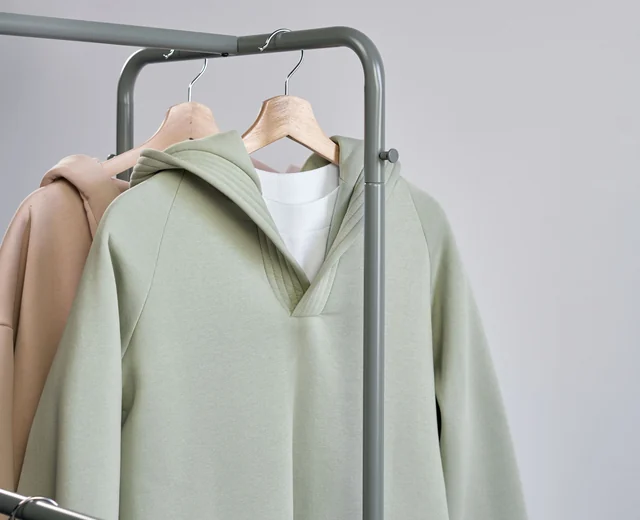
Our lines are set up for the cut and sew garments below, from streetwear basics to team kits. Each card links to a page with styles and fabric weights. Using one cut and sew clothing manufacturer across several categories keeps your sizing consistent across the range.
Hoodies and Crewnecks
Terry hoodies go up to 470 GSM and fleece versions up to 450 GSM. We cut lined or single hoods, kangaroo or seam pockets, and the rib height you specify. We show every hood and pocket choice on our hoodie supplier page.
Sweatsuits, Joggers and Track Jackets
Tops and bottoms come from one fabric lot so the color matches. Track jackets take panel blocking, piping, and contrast zips. See our custom sweatsuit manufacturer page for sets.
Tees and Long Sleeves
Cotton jersey from 160 to 240 GSM in boxy, regular, or oversized patterns. Neck ribs and hem finishes are set per style. Visit our streetwear clothing manufacturer page for drop ideas.
Lined Jackets: Varsity and Bomber Styles
We make wool-blend, satin, and nylon shells with quilted or satin linings, rib trims, snaps, and zips. We cut the lining and shell together so they fit as one. Our bomber jacket manufacturer page shows the styles.
Team Jerseys and Warm-Ups
Jerseys, shorts, and warm-up sets are made in polyester mesh and interlock. We add names and numbers after sewing and track them on one roster sheet per team.
Low MOQ Cut and Sew Runs of 30 Pieces per Style
For most cut-and-sew companies, a new pattern means a three-figure order. Our cutting floor takes 30 pieces per style or design. A cut and sew clothing manufacturer with a low floor lets you prove a style before you commit to deep stock. Read how short runs work on our small batch clothing manufacturer page.
How We Plan a 30-Piece Cutting Order
We plan a 30-piece order as one short lay on a single marker. We set the size ratio from your split, for example, 4 small, 8 medium, 8 large, 6 XL, and 4 2XL. That keeps fabric waste low even on a small run.
Leftover fabric from the lot is labeled and kept. You can use it for repairs, extra pieces, or a quick top-up order in the same shade.
Adding Styles, Colors and Larger Reorders
Your pattern and markers stay on file after the first run. A cut and sew company that keeps those records can repeat your style without a new sample. You can add colorways, extend the size range, or increase quantity when sales justify it.
Bigger runs lower the cost per piece. The pattern stays the same, so your customers receive the fit they already know.
Our Cut and Sew Workflow, Department by Department
Each department below has one job and one output. You approve or receive something at every stage, which keeps surprises out of bulk. This cut-and-sew workflow applies to 30 pieces and 3,000.
Tech Pack Check and Bill of Materials
Production begins with your tech pack. Our planners check measurements, fabric, trims, and stitch notes, then list anything unclear. You answer those points before any panel is cut.
We then confirm the bill of materials in writing: fabric, thread, zippers, drawcords, labels, and bags. That list drives fabric sourcing, costing, and the order of work on the line.
Pattern Making, Grading and Marker Planning
Our pattern maker drafts each piece to your spec, then grades it across your size range. Cut and sew manufacturing depends on accurate grading, because one wrong rule repeats on every garment. You sign off on the graded measurement chart with the sample.
Marker making comes next. The marker lays out all pieces on the fabric, planned to save material and align stripes or placed prints. For a cut and sew clothing manufacturer, a tight marker is where unit cost is won or lost.
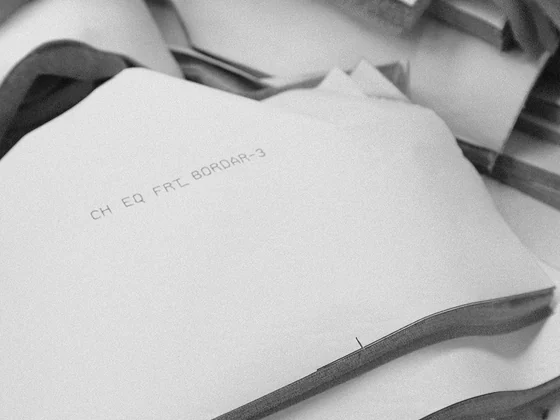
Spreading, Cutting and Bundle Tickets
Fabric is relaxed before spreading so it does not shrink after cutting. Layers are spread by lot, then cut to the marker. Every panel is numbered. A cut and sew clothing manufacturer protects your measurements here, before sewing a single seam.
Bundle tickets keep all panels of one garment from the same fabric layer. That prevents a sleeve from sitting a shade lighter than the body, a fault that is hard to spot until the garment is worn.
Line Sewing and Operator Stations
Each garment is broken into operations, such as shoulder join, sleeve set, side seam, and hem. One operator owns each step, keeping skills sharp and quality consistent. Supervisors balance the line so bundles move without queues.
The first garment off every line is checked against the sample before the rest of the run continues. A cut and sew clothing manufacturer that skips this step finds faults too late.
Stitch Types and Seam Standards
Each seam needs a stitch that suits where it sits and how much it must stretch. This table shows what our lines use, so you can name the finish you want in your spec.
4-thread overlock
Side seams, sleeve joins
Strong seam that stretches with knit fabric
Coverstitch
Hems, cuffs, neck bands
Flat inside, neat twin line outside
Flatlock
Panel joins on jerseys
Flat seam with no ridge against skin
Double-needle
Shoulders, armholes
Extra strength where the garment hangs
Bartack
Pocket corners, drawcord exits
Locks stress points so they do not tear
Back necks are taped to prevent stretching and keep them smooth. Stitch density is set per fabric weight and checked on the first pieces of each bundle.
Pressing, Thread Trimming and Final Measuring
Trim loose threads and press every garment into shape. Finishers then measure chest, length, and sleeve against the approved sample. Pieces outside tolerance go back to the line before they reach packing. This is the last check a cut and sew clothing manufacturer makes before folding your garment.
See the workflow on your own garment. Ask for a sample cut and sewn to your spec in the fabric you choose.
Fabrics We Cut and the Weights We Recommend
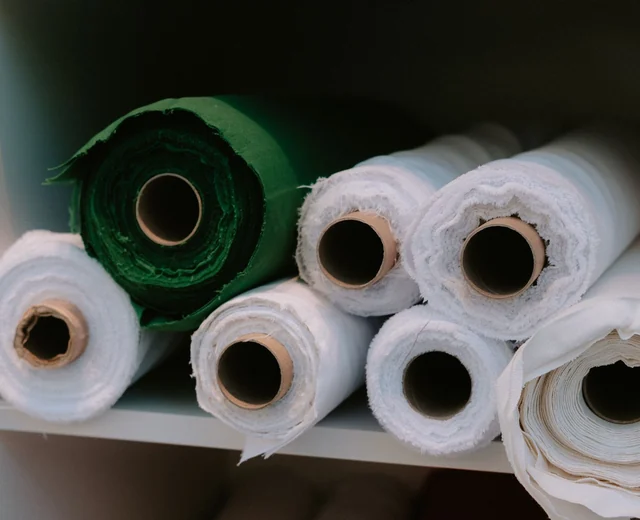
The fabric sets how a garment feels, drapes, and washes. As a cut and sew clothing manufacturer, we most often cut the bases below. The table pairs each one with the garments it suits best.
Cotton jersey
160–240 GSM
Tees, long sleeves
French terry
280–470 GSM
Hoodies, sweatshirts, sweatsuits
Brushed fleece
280–450 GSM
Warm hoodies, crewnecks
Polyester tricot, nylon
Light to midweight
Tracksuits, warm-ups
Polyester mesh, interlock
Light to midweight
Team jerseys, shorts
Satin, nylon twill, wool blends
Jacket weights
Varsity and bomber jackets
We shrinkage-test every fabric lot before cutting, and we match colors to your Pantone references with lab dips. We book fabric after you approve the sample, so bulk matches what you signed off on.
Private Label Details Sewn in During Production
Your branding is part of the build, not an extra step after it. A cut and sew clothing manufacturer can place labels while the garment is still open, which looks neater and lasts longer. Our private label apparel manufacturer page covers every branding option.
Neck, Care and Size Labels on the Sewing Line
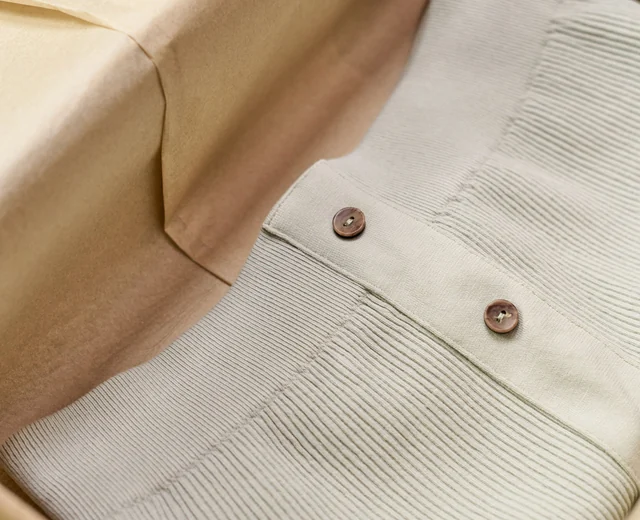
We attach woven or printed neck labels during sewing. We place care and size labels in the side seam, and hem flags or sleeve tabs add an outside mark.
Your sample shows the exact placement of each label. Moving a label 1 cm is easy at the sample stage but costly after bulk, so please check it closely.
Hang Tags, Folding and Carton Packing
Hang tags carry your artwork, SKUs, and barcodes. We fold garments to your spec, pack them in polybags, and sort them by size and colorway. We mark cartons with your PO number, so your warehouse can book stock in without sorting first.
Sample and Bulk Timelines for Cut and Sew Orders
Other factories quote anywhere from 20 to 70 days for samples and bulk. Our cut and sew factory works in two fixed stages. Both dates appear on your order confirmation.
Samples Cut From Your Pattern in 10–12 Business Days
We cut your pattern in the real fabric and sew it on a bulk line, and the sample reaches you 10–12 business days after the spec is agreed. We pack a sheet listing every measured point.
Comments you make go into the pattern and the spec. Once you approve, the sample becomes the reference for every bulk piece. Because sampling happens on bulk lines, a cut and sew clothing manufacturer like us can promise the two will match.
Bulk Cutting and Sewing in 14–16 Business Days
The bulk run takes 14–16 business days, counted from sample approval and fabric booking. You receive a note as each department starts on your order. If a date is at risk, we say so early and explain how we will recover it.
AQL 2.5 Audits and ±1–1.5 cm Measuring Tolerances
Quality control happens twice. During sewing, checkers take garments from every bundle and measure them. At the end, we sample the order under AQL 2.5, per the ISO 2859-1 plan. Pass or fail depends on the results.
Chest, length, sleeve, and other key points must land within ±1–1.5 cm of your chart. We also check seams, prints, labels, and packaging. We send the report and photos before shipping, and a cut and sew clothing manufacturer should correct anything outside tolerance first, which is our rule.
How to Compare Cut and Sew Companies
Finding the right partner starts with a few direct questions. Ask every cut and sew company on your list the points below, and compare the answers side by side. A cut and sew factory with nothing to hide will answer each one in writing.
- Does the factory cut and sew in-house, or does it pass work to contractors?
- Do you publish the minimum order per style?
- How many business days does a sample take?
- Which quality standard is used for final inspection?
- Who owns the pattern after the order?
- Do you keep patterns and specs on file for reorders?
Our answers are on this page: in-house lines, 30 pieces per style, samples in 10–12 business days, AQL 2.5, your pattern stays yours, and records stay on file. Many contract cut and sew shops offer CMT only. Our cut and sew services also include fabric and trims as part of full package production.
Cut and Sew Clothing Manufacturer FAQ
Cut-and-sew manufacturers make garments from raw fabric using a brand’s own pattern. They cut each panel and sew it into a finished piece. The result is a product with its own fit, which no other brand can buy. Sale Smart Sports is a cut and sew clothing manufacturer for sportswear, team, and streetwear brands.
Start with factories that publish their minimums, sample times, and quality standards. Ask whether they cut and sew in-house, then order a sample before bulk. A cut and sew clothing manufacturer that shares numbers early is easier to plan with.
We cut from 30 pieces per style or design, across all your sizes. Colorways that share one fabric base can often share the count. A first run of a new style stays realistic.
Yes. Send your pattern files, a tech pack, or a reference garment. Our pattern room checks or redrafts the pattern, and the sample shows you the result.
We cut every panel from one fabric lot and track it with bundle tickets. We sew panels from the same layer together. In cut and sew manufacturing, this is the simplest way to prevent shade differences within a garment.
Expect the sample 10–12 business days after the spec is fixed. Cutting and sewing for bulk then takes 14–16 business days from approval. Your confirmation lists both dates.
Yes. We attach neck labels, care labels, and hem flags on the sewing line. Hang tags and packing follow your spec before cartons are sealed.
Contact Us
Get in Touch With Our Team
Whether you’re launching a new brand or expanding an existing one, our specialists are ready to support your manufacturing needs. Share your technical sheets, sketches, or ideas, and we’ll provide a tailored production plan. Your next collection can start today with a clear, actionable path forward.
Request a Quote
Fill in the form and we’ll get back within 24 hours.
Book a Cut and Sew Sample Run
Keep your garment under one roof from pattern to carton. Our cut and sew services open runs at 30 pieces per style. Your sample arrives in 10–12 business days and bulk in 14–16, with the same cut and sew clothing manufacturer handling every room.
Upload your tech pack or photos of a reference piece, then talk to our production team about construction. The pattern room answers within 1 business day with a review and a price.
From your pattern to our cutting floor. Request a cut-and-sew sample quote and confirm pricing and dates before you commit.